PRODUCT CENTER
CONTACT US
If you are interested in cooperation, please contact us immediately, we will give you feedback as soon as possible!
Mobile
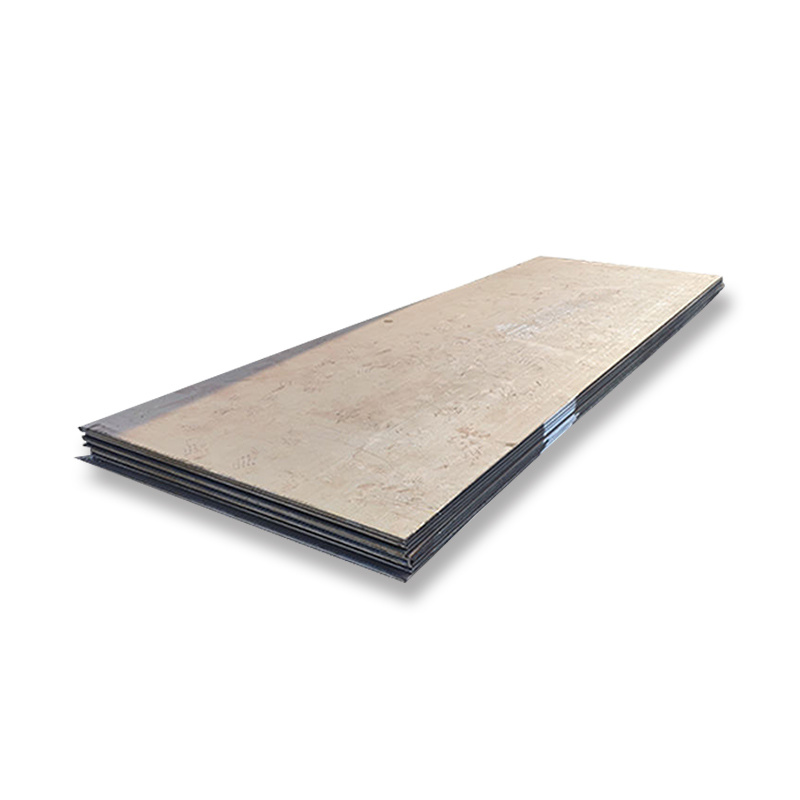
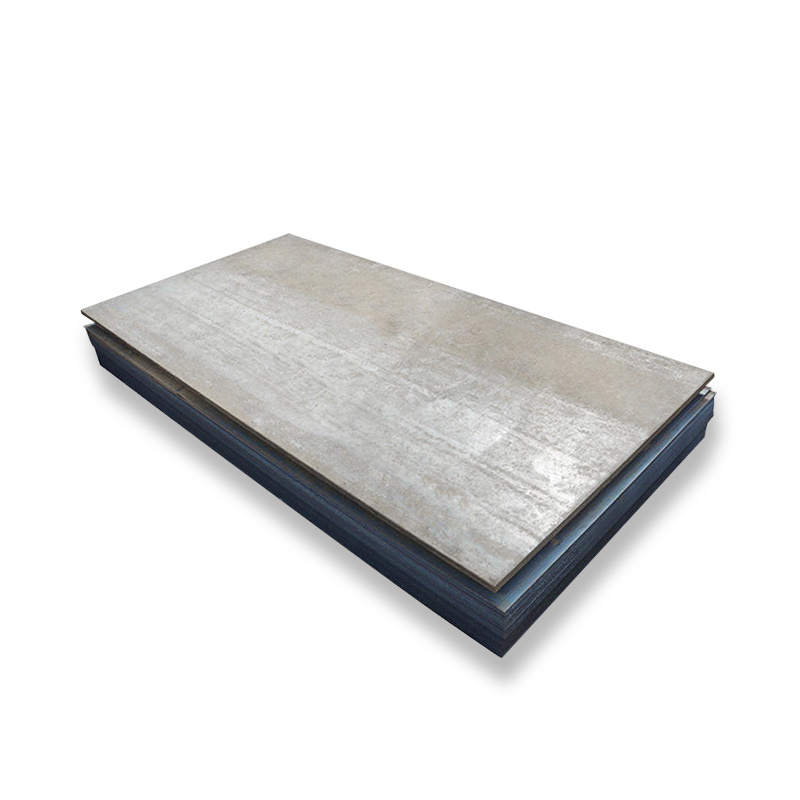
A572/S355JR Carbon Steel Plate
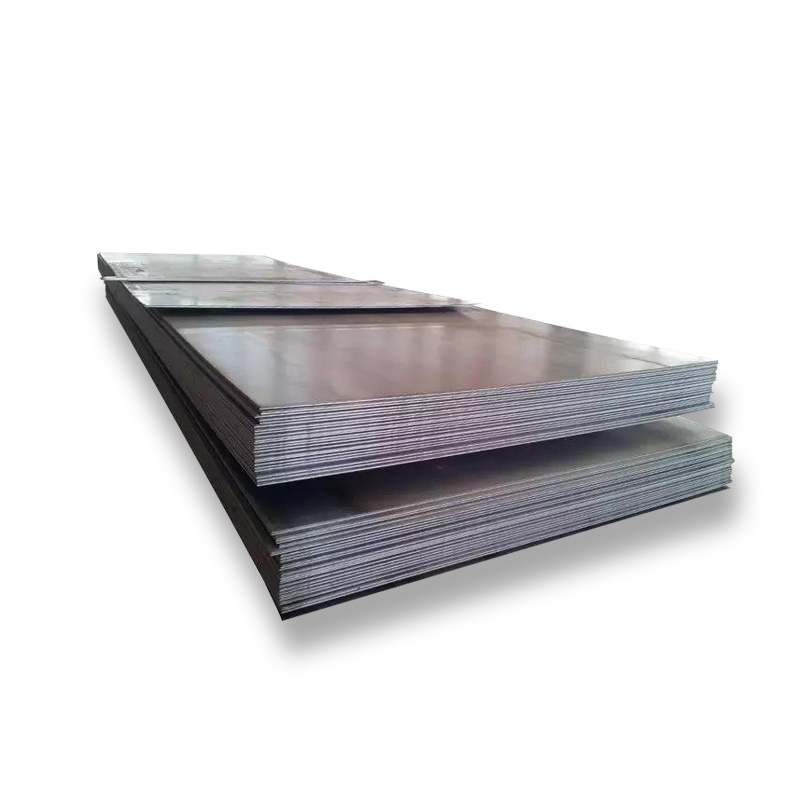
A572 grades are divided into: 42, 50, 60, 65. The steel plate is light in weight, but has good strength, ductility and workability, making it an ideal choice for structural applications. These characteristics make the A572 relatively simple to shape into different structures, while maintaining the ability to withstand large stresses and loads.
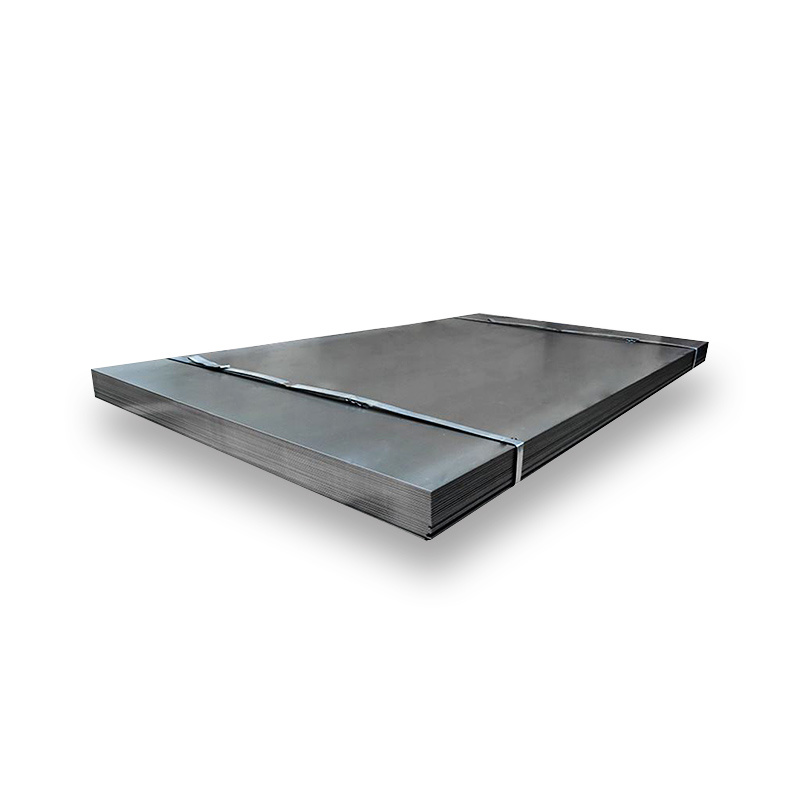
A656/S355J2 Carbon Steel Plate
ASTM A656 steel plate is a high-strength low-alloy steel used in structural applications. In structural applications, light weight and good formability are essential. ASME A656 steel plates are manufactured in different grades of 50, 60, 70 and 80 to the specified yield point.
A709/S355J0W Carbon Steel Plate
ASTM A709 steel plate is in accordance with the standard specification for bridge structural steel, ASTM A709 steel plate is a carbon, high strength low alloy and quenched and tempered alloy steel mainly used in bridge construction. BBN offers the following 5 grades of steel plates: A709,36, 50, 50W, HPS 50W. The atmospheric corrosion resistance index of 50W, HPS 50W and HPS 70W are 6.0.
EN10025-2 S235/S275/S355 Carbon Steel Plate
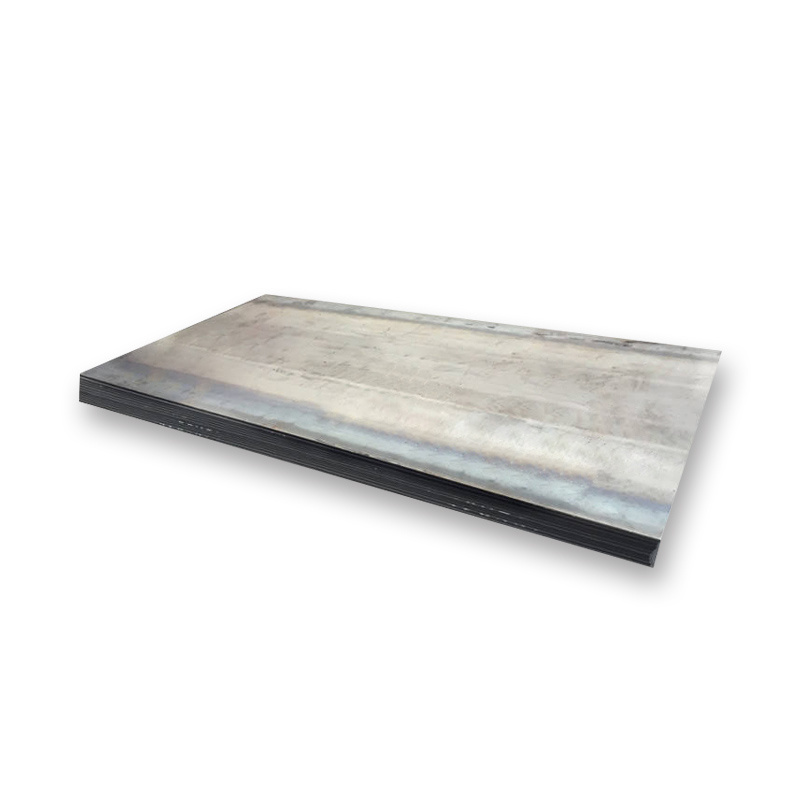
EN10025-2 steel plate is a low-alloy high-strength structural steel, which is made of carbon structural steel (Wc = 0.16%~ 0.2%) by adding a small amount of alloying elements. EN10025-2 steel plate has good welding performance, plasticity, toughness and processing technology, good corrosion resistance, high strength and low cold brittle critical transition temperature.
DIN 17100 ST37/ST52 Carbon Steel Plate
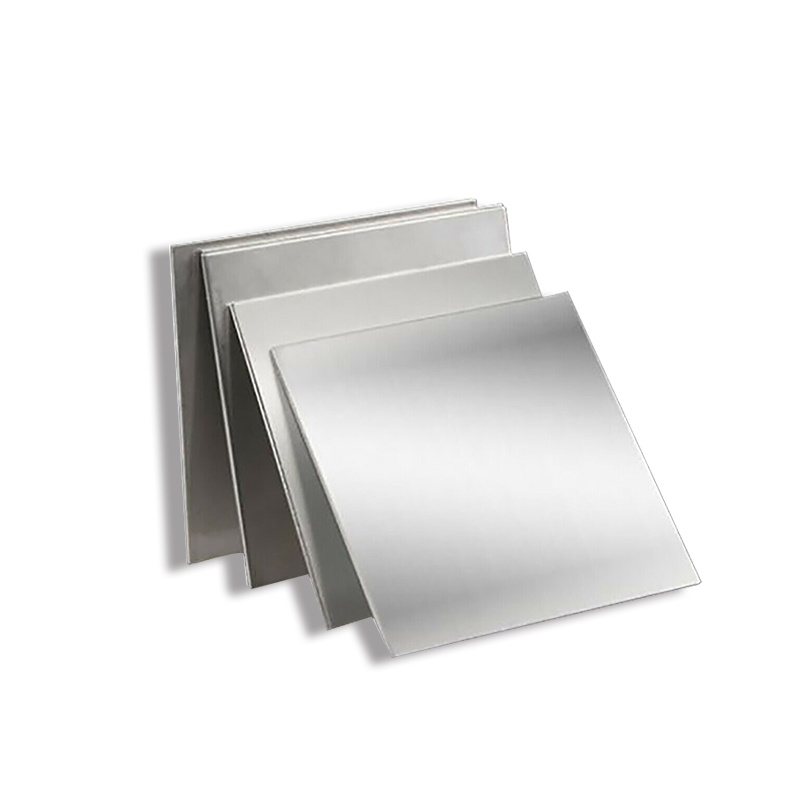
DIN 17100 steel plate is suitable for flange beams, steel bars, steel strips, steel plates, wide flat steel, seamless steel pipes and welded steel pipes, square and rectangular hollow profiles. According to standards, DIN 17100 steel plates are used for welding, riveting and threaded structural parts. Except for stress relief heat treatment and normalizing, it is not used for heat treatment.
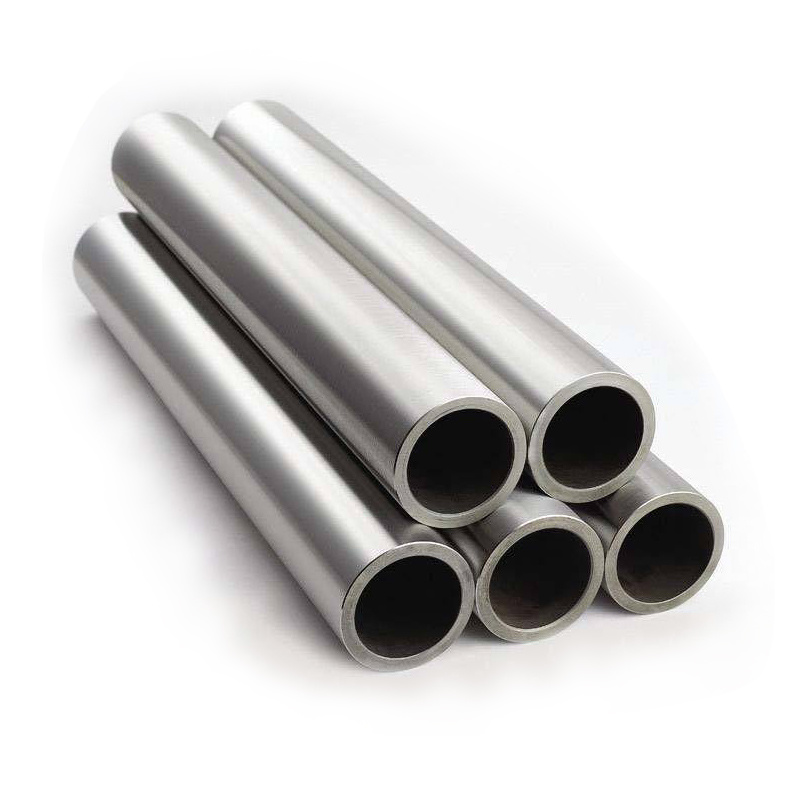
304 stainless steel is a kind of universal stainless steel material, rust resistance than 200 series of stainless steel material is stronger. High temperature resistance is also better, can be as high as 1000-1200 degrees. 304 stainless steel has excellent corrosion resistance and good intergranular corrosion resistance. For oxidizing acids, it is concluded in the experiment that 304 stainless steel has strong corrosion resistance in nitric acid with a concentration of less than or equal to 65% of the boiling temperature. It also has good corrosion resistance to alkali solution and most organic and inorganic acids.
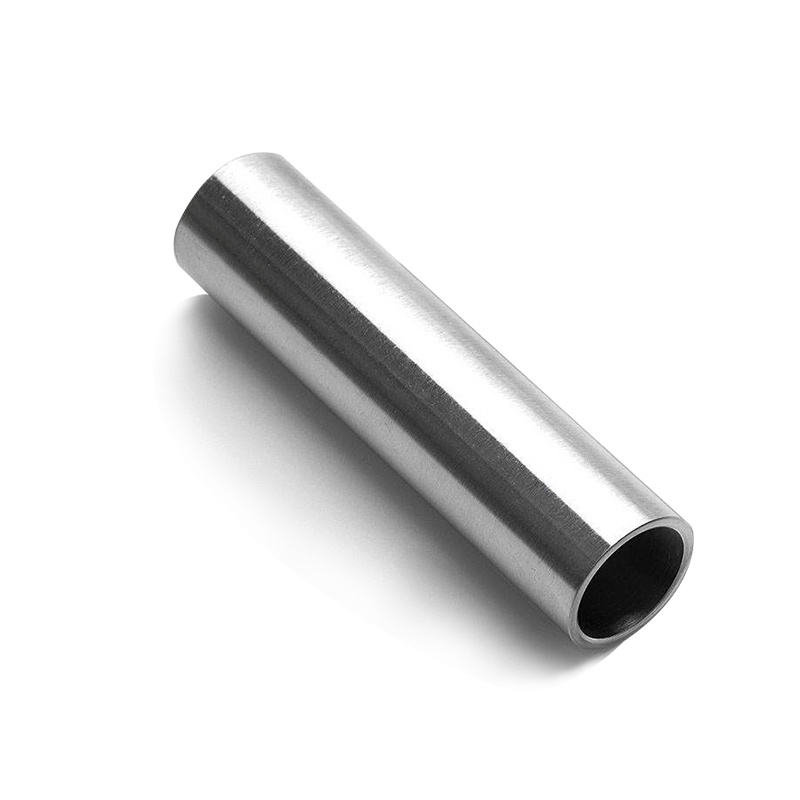
316Ti(UNS S31635) is a titanium stabilized version of 316 molybdenum-containing austenitic stainless steel. 316 alloys are more resistant to general corrosion and pitting/crevice corrosion than traditional chromium-nickel austenitic stainless steels such as 304.
310S is an austenitic stainless steel that combines excellent high temperature performance with good ductility and weldability. It is usually used for high temperature applications because its high chromium and nickel content provides solid corrosion resistance, excellent oxidation resistance and excellent strength at temperatures up to 2100 °F. Due to its high chromium and nickel content, it is superior to 304 or 309 stainless steel in most environments.