PRODUCT CENTER
CONTACT US
If you are interested in cooperation, please contact us immediately, we will give you feedback as soon as possible!
Mobile
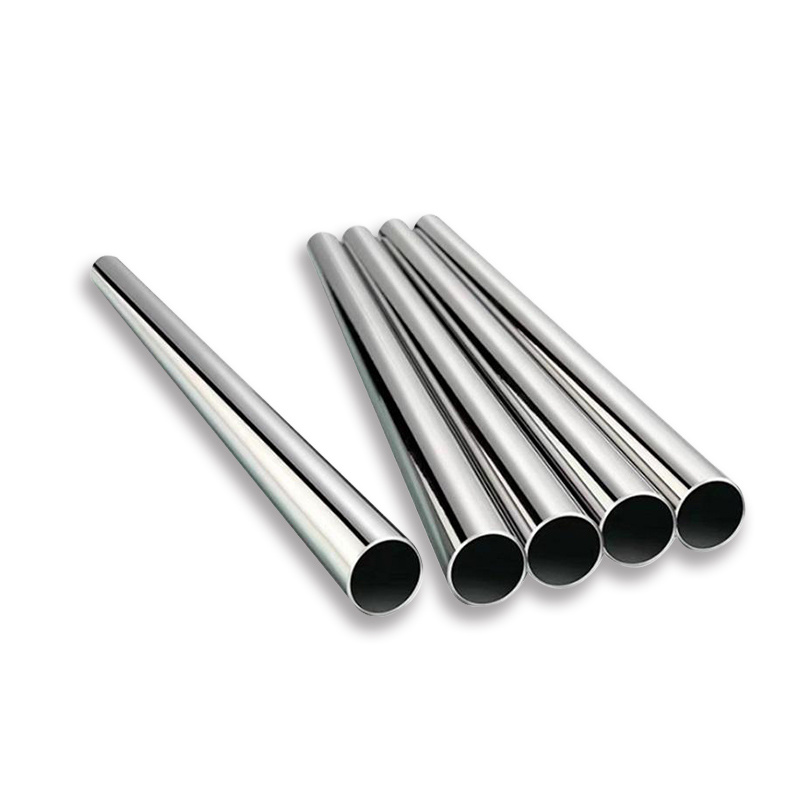
439 steel is in the ordinary ferrite material (430) on the basis of reducing the content of C, while adding Ti and other stabilizing elements, so that the steel intergranular corrosion resistance, formability and weldability are improved. Compared with the 304 steel, although the elongation is low (about 30%), but the strength, corrosion resistance, and corrosion resistance is better than 200 series materials.
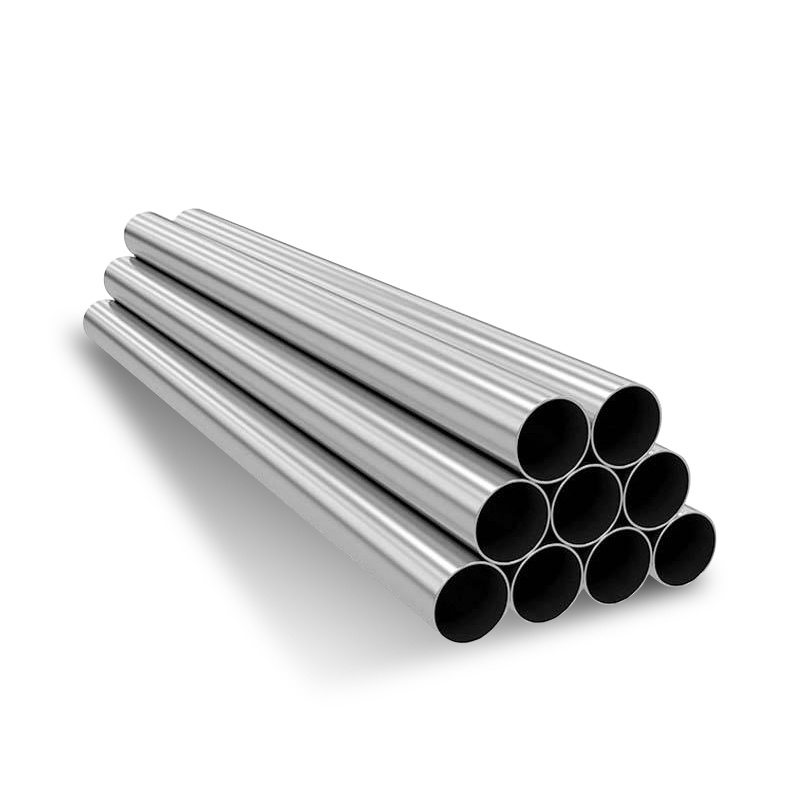
440C grade stainless steel is a kind of high carbon martensitic stainless steel. High strength, medium corrosion resistance, good hardness and wear resistance. Grade 440C achieves the highest strength, hardness and wear resistance of any stainless steel alloy after heat treatment. Its extremely high carbon content is the reason for these characteristics, which makes the 440C particularly suitable for applications such as ball bearings and valve parts.

310S is an austenitic stainless steel that combines excellent high temperature performance with good ductility and weldability. It is usually used for high temperature applications because its high chromium and nickel content provides solid corrosion resistance, excellent oxidation resistance and excellent strength at temperatures up to 2100 °F. Due to its high chromium and nickel content, it is superior to 304 or 309 stainless steel in most environments.

440C grade stainless steel is a kind of high carbon martensitic stainless steel. High strength, medium corrosion resistance, good hardness and wear resistance. Grade 440C achieves the highest strength, hardness and wear resistance of any stainless steel alloy after heat treatment. Its extremely high carbon content is the reason for these characteristics, which makes the 440C particularly suitable for applications such as ball bearings and valve parts.
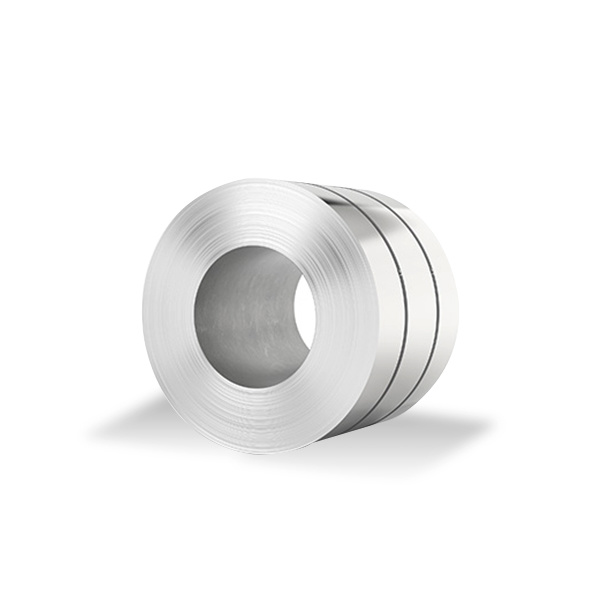
321(UNS S32100) is a titanium stabilized austenitic stainless steel with good general corrosion resistance. It has good intergranular corrosion resistance at a chromium carbide precipitation temperature of 800-1500 °F(427-816°C). The alloy is resistant to oxidation at 1500 °F(816°C) and has higher creep and stress rupture properties than the 304 and 304L alloys. It also has good low temperature toughness.
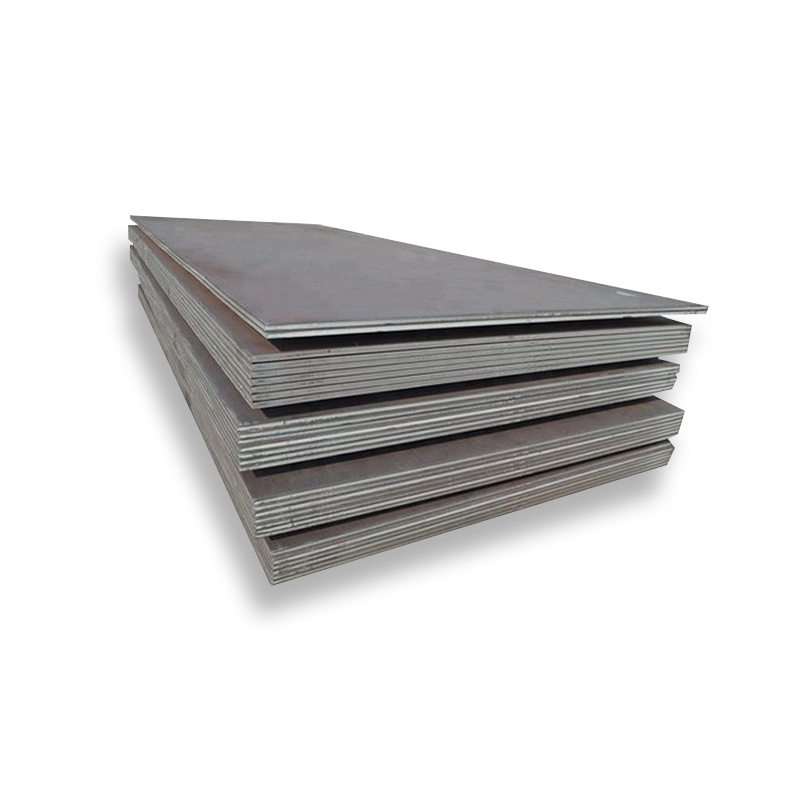
ASTM A573/A573M grades are divided into 58, 65 and 70. Steel plates are suitable for structural carbon-manganese-silicon steel plates with three tensile strength ranges. ASTM A573/A573M steel plates are mainly used for important purposes of improving notch toughness at room temperature.

430 grade is a ferritic, straight chromium, non-hardenable grade that combines good corrosion resistance and formability characteristics with useful mechanical properties. Its resistance to nitric acid attack allows it to be used in specific chemical applications, but automotive trim and electrical components represent its largest areas of application.

302 stainless steel is a variant of 18% chromium and 8% nickel austenitic stainless steel. This alloy is the most common and frequently used alloy in the stainless steel family. 302 are slightly higher carbon versions of the 304, usually in the form of ribbons and wires. It is a tough, tough grade, has considerable corrosion resistance, is non-magnetic, and cannot be hardened by heat treatment. 302 are typically used in their annealed state and have a high degree of ease of manufacture and formability.
CONTACT US
Name:Sales Consultant
Email : inquiry@ruixiangsteelgroup.com
Add : 701B, Shuntai Plaza 8th building, Jinan Area of the Pilot Free Trade Zone, China.
GET A FREE QUOTE
Copyright : Ruixiang Steel Group Co., Limited Powerby : 300.cn jinan2 SEO BUSINESS LICENSE PRIVACY POLICY