PRODUCT CENTER
CONTACT US
If you are interested in cooperation, please contact us immediately, we will give you feedback as soon as possible!
Mobile

347 is a stable austenitic chromium steel, containing niobium, which can eliminate carbide precipitation, thereby eliminating corrosion during the year. 347 is stabilized by the addition of chromium and tantalum, and provides higher creep and stress rupture properties than alloys 304 and 304L, which can also be used for sensitization and exposure to corrosion problems during the year. The addition of niobium also makes the 347 alloy have excellent corrosion resistance, even better than the 321 alloy.

403 stainless steel has excellent mechanical properties, including high hardness, high strength and high wear resistance. It is commonly used in the manufacture of high hardness tools, cutting tools, bearings and valves and other industrial parts, especially in applications requiring corrosion resistance and wear resistance. In addition, 403 stainless steel can also be used in food processing equipment, chemical equipment, medical equipment and other fields to meet the requirements of corrosion resistance and mechanical properties.

The mechanical properties of 405 stainless steels are important in determining their suitability for various applications. This steel has excellent workability and is easy to cut and shape into different shapes. In addition, the material exhibits a good level of strength and hardness, making it wear-resistant and tear-resistant. A remarkable characteristic of 405 stainless steel is its ductility, which refers to its ability to deform under pressure without breaking. This property makes the metal suitable for forming processes such as bending and rolling without cracking or breaking.

409 is a general purpose chromium, titanium stabilized ferritic stainless steel, its main application is automotive exhaust systems. It contains 11% chromium, which is the lowest amount to form a passive surface film, which makes stainless steel corrosion resistant. It combines good high temperature corrosion resistance, medium strength, good formability and overall cost. Compared with carbon steel, 409 has strong corrosion resistance and is used as a substitute for carbon steel in mildly challenging environments. In this environment, its high resistance to corrosion and high temperature oxidation has advantages. It is usually used in applications where appearance is a secondary quality to mechanical properties and corrosion resistance.
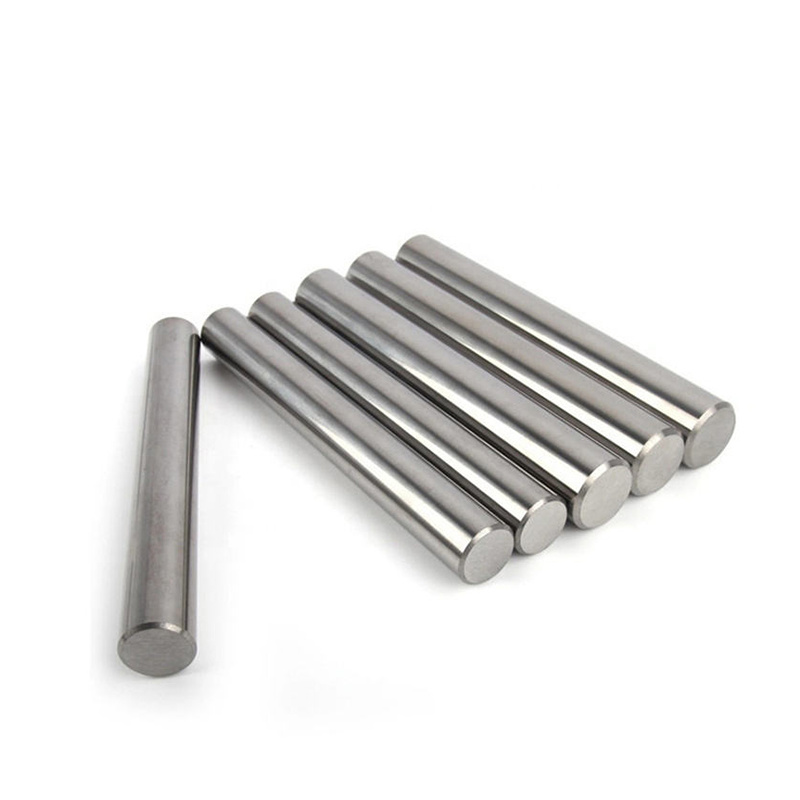
420 is a hardenable martensitic stainless steel that contains at least 12% chromium, just enough to provide corrosion resistance. It has good ductility in the annealed condition, but can be hardened to a minimum Rockwell hardness of 50 HRC, which is the highest hardness in the 12% chromium scale. Due to its hardening properties, 420 are not often welded, although this is possible. Martensitic stainless steel is designed for high hardness, and sometimes other properties will be affected to a certain extent. The corrosion resistance is lower than that of ordinary austenite grades, and its effective operating range is limited by its ductility loss at sub-zero temperatures and strength loss due to excessive tempering at high temperatures. The best corrosion resistance is obtained when the metal is hardened and subjected to surface grinding or polishing.
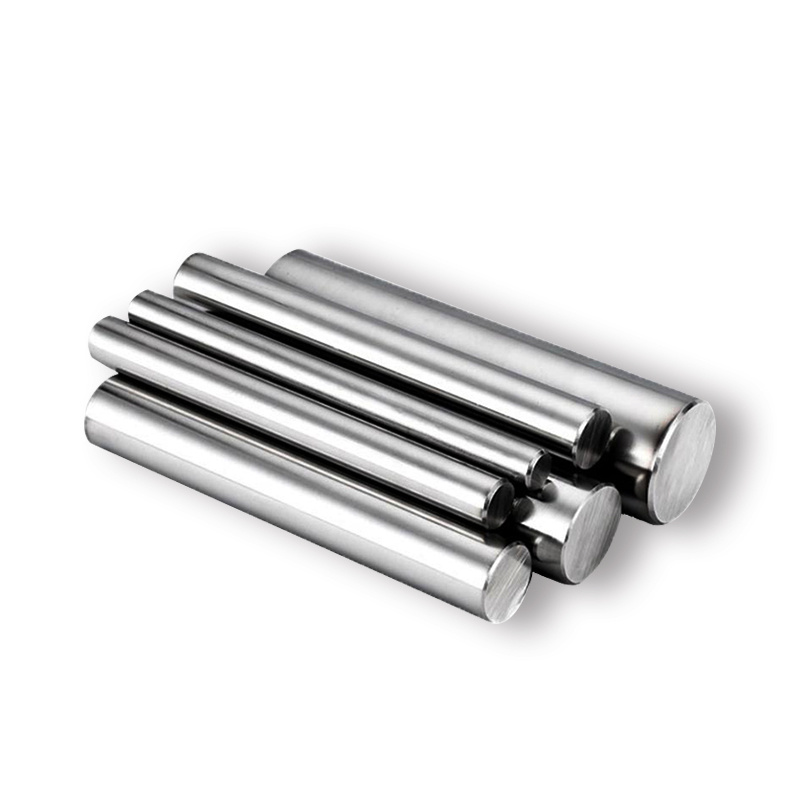
202 stainless steel is an austenitic chromium-nickel-manganese alloy. It has high ductility, good corrosion resistance and excellent toughness in both high and low temperature environments. 202 stainless steel is one of the most widely used 200 series stainless steel. 202 stainless steel, the austenitic structure is stabilized by the addition of nickel and manganese, thereby preventing the formation of harmful phases, such as sigma phase or chromium carbide. The high nickel content also improves the corrosion and oxidation resistance of the steel at high temperatures.
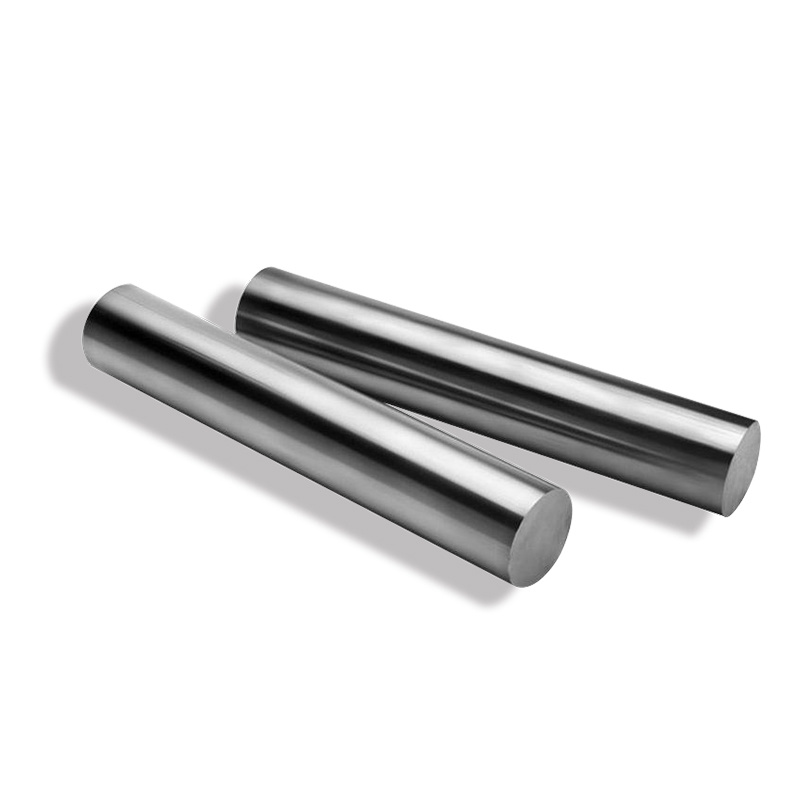
301 grade stainless steel is a common austenitic stainless steel with good corrosion resistance and high carbon content, and can be cold worked to various temperatures. Among stainless steels, 301 is the most easily strengthened steel by cold deformation. Cold deformation processing can improve the strength and hardness of steel, and retain sufficient plasticity and toughness. In addition, this steel has good rust resistance under atmospheric conditions, but its corrosion resistance in reducing media is poor, and its corrosion resistance in chemical media such as acid, alkali and salt is poor. Therefore, it is not recommended for corrosive environments.
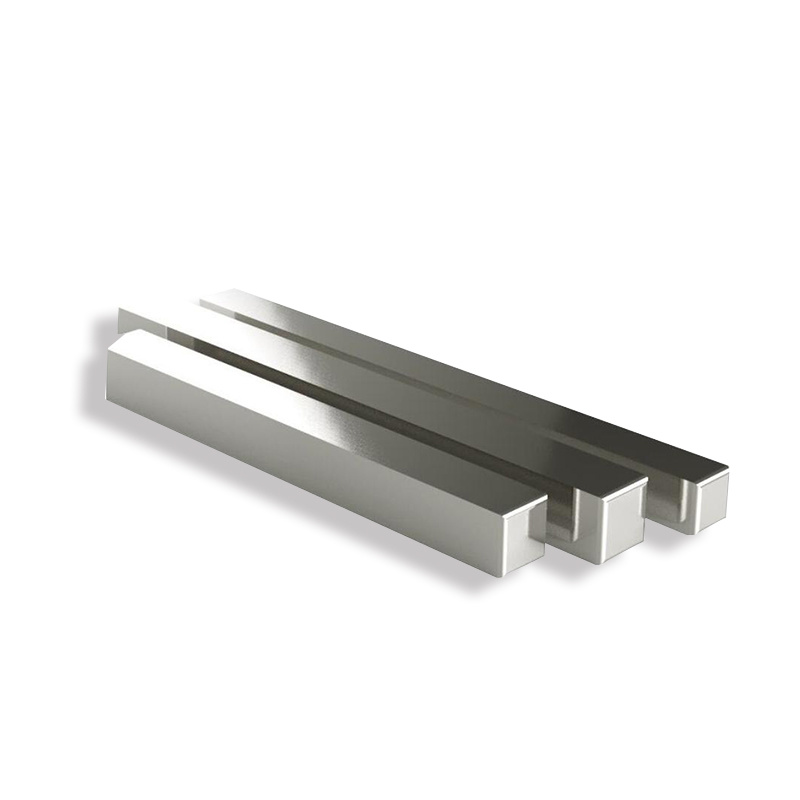
430 grade is a ferritic, straight chromium, non-hardenable grade that combines good corrosion resistance and formability characteristics with useful mechanical properties. Its resistance to nitric acid attack allows it to be used in specific chemical applications, but automotive trim and electrical components represent its largest areas of application.
CONTACT US
Name:Sales Consultant
Email : inquiry@ruixiangsteelgroup.com
Add : 701B, Shuntai Plaza 8th building, Jinan Area of the Pilot Free Trade Zone, China.
GET A FREE QUOTE
Copyright : Ruixiang Steel Group Co., Limited Powerby : 300.cn jinan2 SEO BUSINESS LICENSE PRIVACY POLICY